


- 24 kwi, 2026
- 3 m czytania
Jak narzędzia diagnostyczne poprawiają pracę zespołową i wyniki organizacji w SSC
Firmy coraz chętniej inwestują w narzędzia diagnostyczne, które pomagają oceniać i rozwijać efektywność zespołów. Problem w tym, że większość organizacji nie wykorzystuje ich pełnego potencjału, traktuje je jak jednorazowe ćwiczenie, a nie stały element kultury pracy.
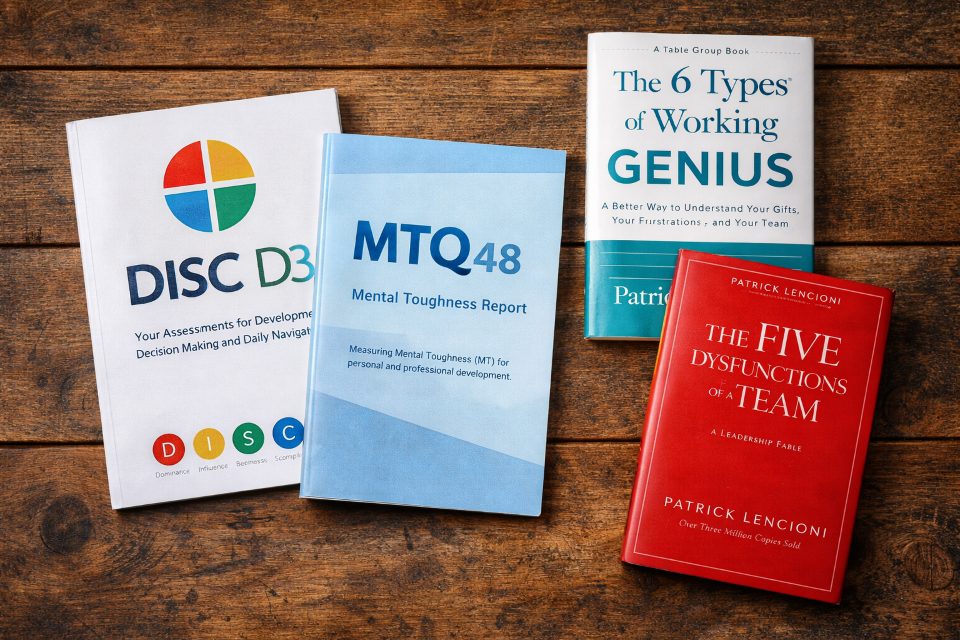
Podczas webinaru Bridge the Gap Monika Madoń i John Held pokazali, jak cztery sprawdzone narzędzia – DISC D3, MTQ48, The 6 Types of Working Genius i The Five Dysfunctions of a Team mogą pomóc liderom w centrach usług wspólnych (SSC) wzmacniać współpracę, budować odporność i optymalizować procesy.
Dlaczego narzędzia diagnostyczne nie działają – najczęstszy błąd
Największy błąd, jaki popełniają organizacje, to traktowanie narzędzi diagnostycznych jako „odhaczenia na liście”. Wypełnienie kwestionariusza czy udział w warsztacie to dopiero pierwszy krok. Prawdziwa wartość pojawia się wtedy, gdy narzędzia stają się częścią codziennej pracy tego, jak zespół się komunikuje, rozwiązuje problemy i podejmuje decyzje.
Żadne narzędzie nie zmieni organizacji samo z siebie. Zmiana następuje przez konsekwentne stosowanie.

Co daje każde narzędzie diagnostyczne
Kiedy używane są we właściwy sposób, narzędzia diagnostyczne dostarczają konkretnych informacji, które znacząco poprawiają dynamikę zespołu:
DISC D3
Poprawa komunikacji przez zrozumienie stylów zachowania.
MTQ48
Wzmacnianie odporności psychicznej i zarządzania stresem.
The 6 Types of Working Genius
Identyfikacja naturalnych mocnych stron i motywatorów.
The Five Dysfunctions of a Team
Adresowanie braku zaufania i problemów z pracą zespołową.
Od czego zacząć – podejście problemowe, nie narzędziowe
Zamiast zaczynać od wyboru narzędzia, zacznij od zidentyfikowania konkretnego problemu w zespole. Zadaj sobie pytania:
- Czy ludzie mówią to, co myślą podczas spotkań, czy wolą rozmawiać po spotkaniu?
- Czy zadania i projekty są realizowane z opóźnieniem z powodu problemów z komunikacją?
- Czy pracownicy wydają się niezaangażowani lub skupieni na czymś innym niż wyniki?
- Czy widoczne są sygnały wypalenia zawodowego?
Gdy wiesz, jaki jest problem – możesz dopasować właściwe narzędzie:
- Brak otwartości na spotkaniach → Five Dysfunctions of a Team
- Błędy komunikacyjne → DISC D3
- Niskie zaangażowanie → Working Genius framework
- Wypalenie i presja → MTQ48
Zaufanie i bezpieczeństwo psychologiczne – fundament skutecznych narzędzi
Przez wszystkie te narzędzia przewija się jeden wspólny mianownik: zaufanie i bezpieczeństwo psychologiczne.
Wysokoefektywne zespoły tworzą środowisko, w którym ludzie czują się bezpiecznie, żeby:
- Otwarcie dzielić się pomysłami
- Konstruktywnie się nie zgadzać
- Przyznawać do błędów bez obawy konsekwencji
Warto pamiętać, że konflikt sam w sobie nie jest czymś złym. Zdrowy konflikt rozumiany jako różnica zdań to oznaka zaufania i otwartości, pod warunkiem że jest konstruktywnie zarządzany.

Jak łączyć narzędzia dla większego efektu
Każde z narzędzi jest wartościowe samo w sobie, ale połączenie kilku daje jeszcze silniejsze rezultaty:
- DISC + The Five Dysfunctions – pomagają identyfikować źródłowe przyczyny problemów komunikacyjnych w zespole.
- Working Genius + MTQ48 – łączą mocne strony z budowaniem odporności psychicznej.
Takie zintegrowane podejście pozwala projektować bardziej skuteczne programy rozwojowe i dopasowywać strategie przywódcze do indywidualnych wyzwań.
Refleksja – brakujące ogniwo między diagnozą a działaniem
Nawet najlepsze narzędzia nie zmienią niczego bez systematycznej refleksji. Prostym, lecz skutecznym nawykiem jest tygodniowy 10-minutowy przegląd:
- Co dobrze zadziałało w tym tygodniu?
- Gdzie komunikacja się posypała?
- Jak zastosowałem/-am wnioski z narzędzi diagnostycznych?
Refleksja to most między teorią, a praktyką przekształca wiedzę w ciągłe doskonalenie. AI może wspierać analizę sytuacji zespołowych i generowanie pomysłów, ale nie powinna zastępować własnej oceny i pewności siebie lidera.
Podsumowanie
Narzędzia diagnostyczne przestają być wartościowe, gdy zostają w szufladzie po warsztacie. Kiedy stosowane są konsekwentnie, stają się praktyczną ramą do poprawy współpracy, komunikacji i wyników organizacji. Prawdziwa zmiana zaczyna się od przejścia od świadomości do działania.