


- 07 lut, 2026
- 4 m czytania
You Train Dogs—You Develop Leaders
There is a general laziness gripping most of the world—especially the West. It is a laziness of language, and that laziness of language relates to “teaching,” which is conflated with “training,” “learning,” “sharing,” “presenting,” and “development.”
The specific issue addressed in this article is the word “training.” We have “training” on “Hard Skills,” such as programming, financial software, and manufacturing processes. We also have training in Professional Skills, which are meant to equip employees with skills that focus on interpersonal interactions—communication, delegation, feedback, etc. Also, in this bucket are such skills as critical thinking and problem-solving.
More and more people are writing about (and talking about) the fact that, just because you went to a training on how to give feedback, it doesn’t necessarily mean you are now able to give meaningful feedback. Or you go to a training on negotiations, but you still struggle to get the outcomes you want. Why is that?
Part of the confusion is in the term “training” itself. According to TheFreeDictionary, the term “training” is defined as, “the process of bringing a person, etc., to an agreed standard of proficiency, etc., by practice and instruction.” So, if we’re training dogs, the standards of proficiency are clear: “Come!” “Go!” “Sit!” “Stay!” and “No!”

But what are the “agreed standards of proficiency” for writing emails, delivery presentations, running meetings? Or even more to the point, the standards for delegating (tasks, projects, processes), thinking critically, being proactive, or defining strategy?
Yes, these are skills and yes, we can help people learn these skills. But what would the “training” look like? Can you even “train” these skills. Is it not more of a process?
In most activities, we can break down the activity into sub-elements and practice these. Some examples include scales and arpeggios in music, dribbling and shooting in basketball, dribbling and shooting in soccer, etc. But what about human interactions? What are the activities? How can we break them down? And how can we even comprehend all of the disparate elements that each of these activities comprises?
In order to “train” in these areas, we need 2 things:
1. We need the agreed upon standards that apply to everyone, and
2. We need to break down the activities into repeatable, executable tasks that can be trained.
“Aye, there’s the rub!” Neither of those 2 things exist. There are some activities that are “out of bounds,” but there are no universal standards everyone is held to. And since there are no universal standards, there is no way to break them down to develop real training programs. So, what to do?
Part of the answer can be found in the title of the management book by Max DePree, Leadership is an Art. Just as we can practice scales and arpeggios to improve our technical skills, it takes something “more” to develop our skills as a musician. How do we move from exercises and etudes to music?
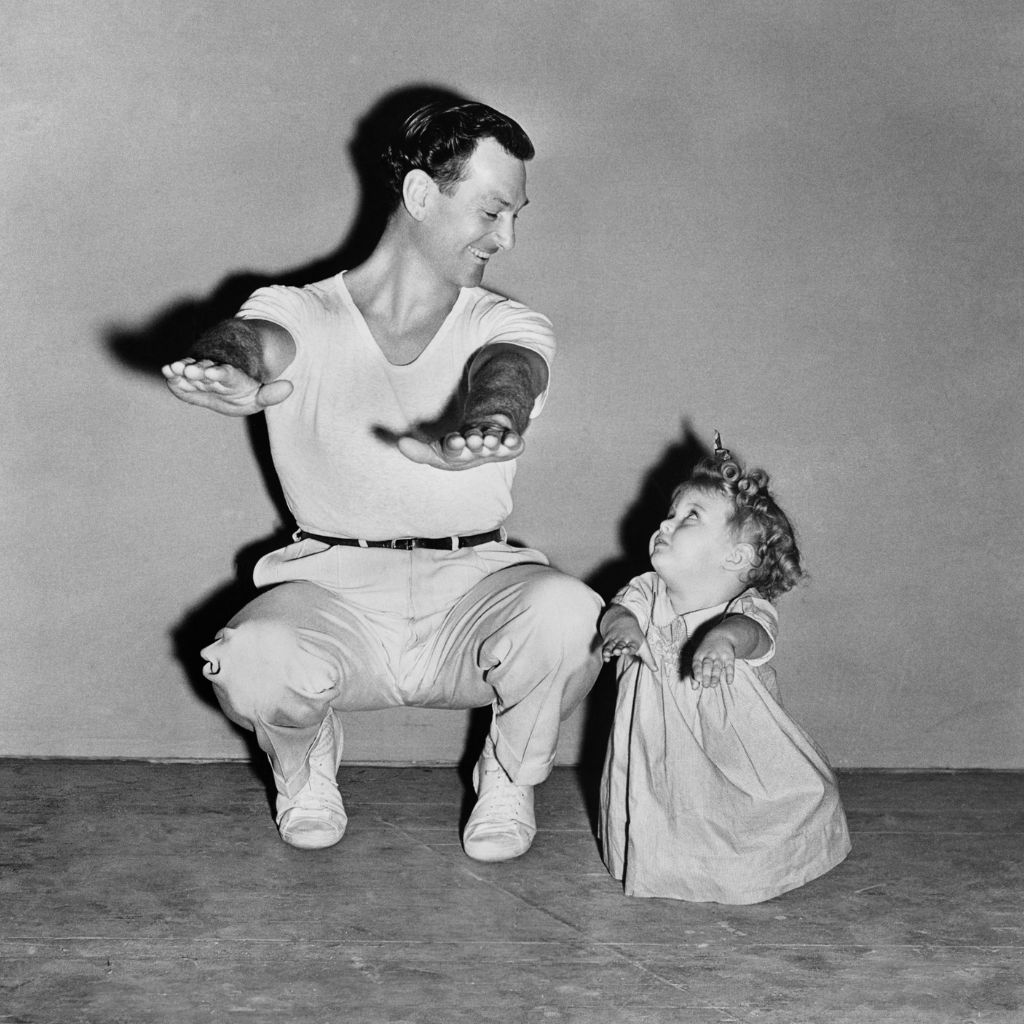
Children could be a good example here. We train our children in certain skills: brushing their teeth, tying their shoes, cleaning their room, etc. At the same time, we need to develop skills like sympathy/empathy, sharing, helpfulness, kindness, etc. Many (most? all?) of these skills are “caught” not taught. The old adage “do what I say, not what I do” is key here.
When I worked with children’s workers years ago, I drove home this idea of “caught, not taught” with these 3 questions:
– How many of you have some behavior that you don’t like?
– How many of you have children?
– How many of you see in your children those behaviors you don’t like?
Everybody raises their hands for Question 1. Those who have children raise their hands for Question 2. And everyone who has children raises their hands for Question 3. Children watch us and see what we are doing—they imitate us.
Here’s the catch: employees do the same thing. Every company has values. But those values are only meaningful if leadership follows them—if their actions follow their words. And values in an organization are only important if they are applied when it hurts…when it’s inconvenient.
That entire process is not “training.” It is how we develop the next generation—how we develop our children…how we develop our employees…how we develop our leaders.

To summarize, we may look for a “training on feedback” or “delegation” or what-have-you. But those trainings are most likely only informational sessions that will give you some ideas on how to do certain things. If they’re “good” trainings, you’ll get some opportunities to practice what you learn. At the same time, the real learning and development will take place as you put those ideas into practice in your everyday life. And that kind of practice requires someone to get feedback from—a mentor, a trainer, a teacher, a “master.”
Who were the people in your life who helped develop you…who invested in your growth and development? Have you thanked them? Have you passed on what you have learned? Training programs can give some skills/tools. To master using those skills/tools requires work—sometimes years of work. That work can be made more effective and efficient when someone invests in you and helps you apply what you have learned. Or it can be work that you can make more effective and efficient by investing in someone else to help them apply what they have learned.
So, how will you develop yourself? Who will be your teacher/mentor/trainer? And how will you develop someone else? Whom can you help to grow?
Written by John Held