



- 27 Mar, 2026
- 4 Mins Read
You Reap What You Sow: Developing Leaders
Nobody plants an apple seed and expects to get an orange tree; or plants lilac seeds and expects to get a rose bush.
That’s obvious. So why is it that we there is a leadership crisis, both in the world and in corporations…?[1] What was “sown” that we are reaping poor leadership?
There’s an old saying, “Sow a thought, reap an action; sow an action, reap a habit; sow a habit, reap a character; sow a character, [reap a lifestyle; sow a lifestyle,] reap a destiny.”[2] So, what are we “sowing” that has caused the leadership crisis?
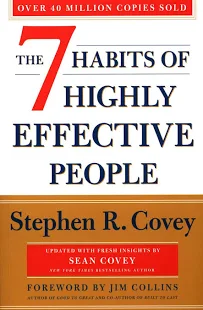
A topic broached in Stephen Covey’s The 7 Habits of Highly Effective People, is the Character Ethic vs. the Personality Ethic. Simply put, in U.S. motivational literature from the 18th century through the first quarter (almost half) of the 20th century, motivational literature focused on character: honesty, loyalty, hard work, kindness, generosity, etc.
Sometime between the Roaring ’20s and the 1950s, there was a shift in thinking regarding what makes a person successful, a shift to: personality traits, charisma, skills, techniques, a positive attitude, etc. In the literature of sales from the 1960s and 1970s you can actually see that it is acceptable to “stretch the truth” or use “manipulative” techniques to push the customer/client to buy. And this, by extension, came to be part of “selling yourself.” Today, we have people lying on their CVs and in job interviews, simply to land the job.
These actions are becoming habits—habits that bleed over into our work. “White lies are OK,” which is just another way of saying “The end justifies the means.” And once we start down this road, it can become a very slippery slope. Indeed, we have seen the consequences of this in the Volkswagen debacle (where VW lied about their diesel emission levels and were eventually caught). And it’s not just VW: Daewoo, Enron, Lehman Brothers, Theranos, Wells Fargo, Deloitte (2x! for generating reports using AI, which were based on “hallucinations”), etc.
So, the lack of character in leaders isn’t inconsequential—it’s fundamental to the operations of companies. So, we see where we are, but, again, “How did we get here?” I think part of the answer lies in how we develop leaders.

Many years ago, I worked with catechism teachers. We had a little exercise where I asked 3 questions:
1. How many of you have something about yourself you don’t like? [everyone]
2. How many of you have children? [those with children]
3. How many of you see in your children those things you don’t like about yourself?
[everyone with children]
Why? Why do we see in our children those things about ourselves that we don’t like? It’s because children are watching us…all the time. And those actions that are habits (that we don’t like) in our lives are the things that children imitate.

In our training on Communicating Across Generations, we talk about how managers today (actually, all through history) need to “raise” or “bring up” new joiners. They need to help them adjust to working life and to the culture of the company. And in practice? It means new joiners and younger employees are watching their managers and other company leaders—they see how you act…and they imitate you. And this is the evidence that “character is caught, not taught.” In other words, company culture is caught, not taught.
Something I’ve experienced talking to organizations is that many leaders “Delegate the process of leadership development to HR/L&D”. At first, it seems like a good idea…until you realize that HR/L&D don’t work with the employees on a daily basis. How are HR/L&D supposed to help employees develop habits. How are employees supposed to “learn” from HR—how do they “catch” company culture from HR? Yes, HR/L&D can “plant” some thoughts and ideas. But who waters? Who takes care of the idea and helps it become an “action” and later a “habit”? Those are the leaders of the organization.
To summarize: Yes, HR/L&D can provide some training and learning opportunities for employees (NOTE: not future leaders, because everyone is a potential future leader). But they need to engage the leadership of the organization in the process of developing younger employees. Mentoring programs are good…it’s just that they are a beginning. The leadership of the organization needs to embrace their role (and responsibility) of raising up the next generation of leaders. And a keep element of that is instilling in those leaders that one of their primary responsibilities is to…raise up the next generation of leaders.
Written by John Held
[1] The Leadership Crisis Is Here – And Most Companies Aren’t Ready (2025)
The Global Crisis of Leadership: The Lack of True Leaders in Modern Society | LinkedIn (2024)
The U.S. is in a Leadership Crisis, New Survey Reveals (2025)
[2]Though this saying appears in The 7 Habits of Highly Effective People by Stephen Covey, it is generally attributed to “an old proverb” or is “unattributed wisdom.”